
The Immersive Work Coming Out of Africa Right Now — And the Women Building It
by Christine Hobbi
If your mental map of the XR industry runs from California to Seoul with a stop in Amsterdam, it is out of date. Some of the most inventive immersive work being made today is coming out of Lagos, Harare, Nairobi and Cape Town — and a striking share of it is being led by women.
Start with Judith Okonkwo. She founded Ìmísí 3D in Lagos in 2016 and ran West Africa's first VR hackathon that same year, when almost no one on the continent was building for headsets. What began as one lab is now AR/VR Africa, with spaces in Lagos, Kigali, Maputo and Dakar. She did not wait for an ecosystem. She built the room, then opened the door.
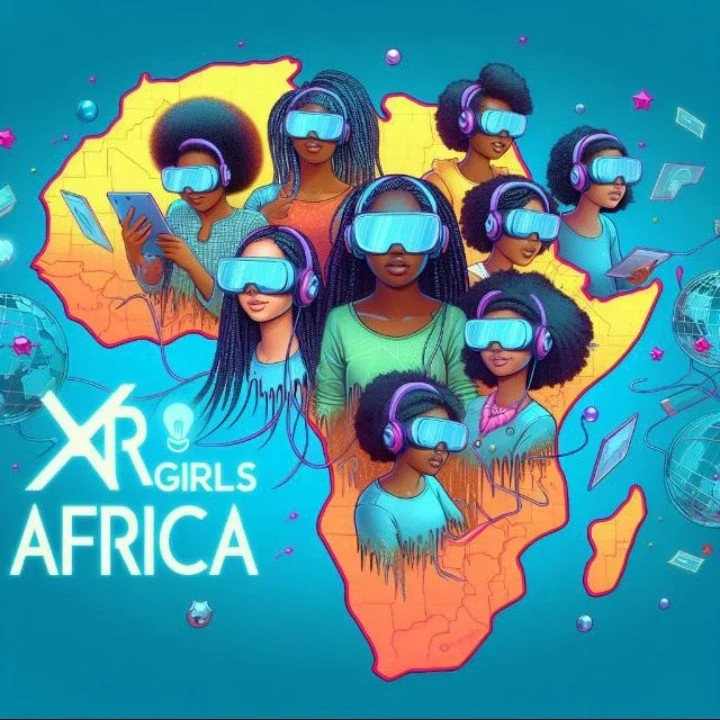
XR Girls Africa
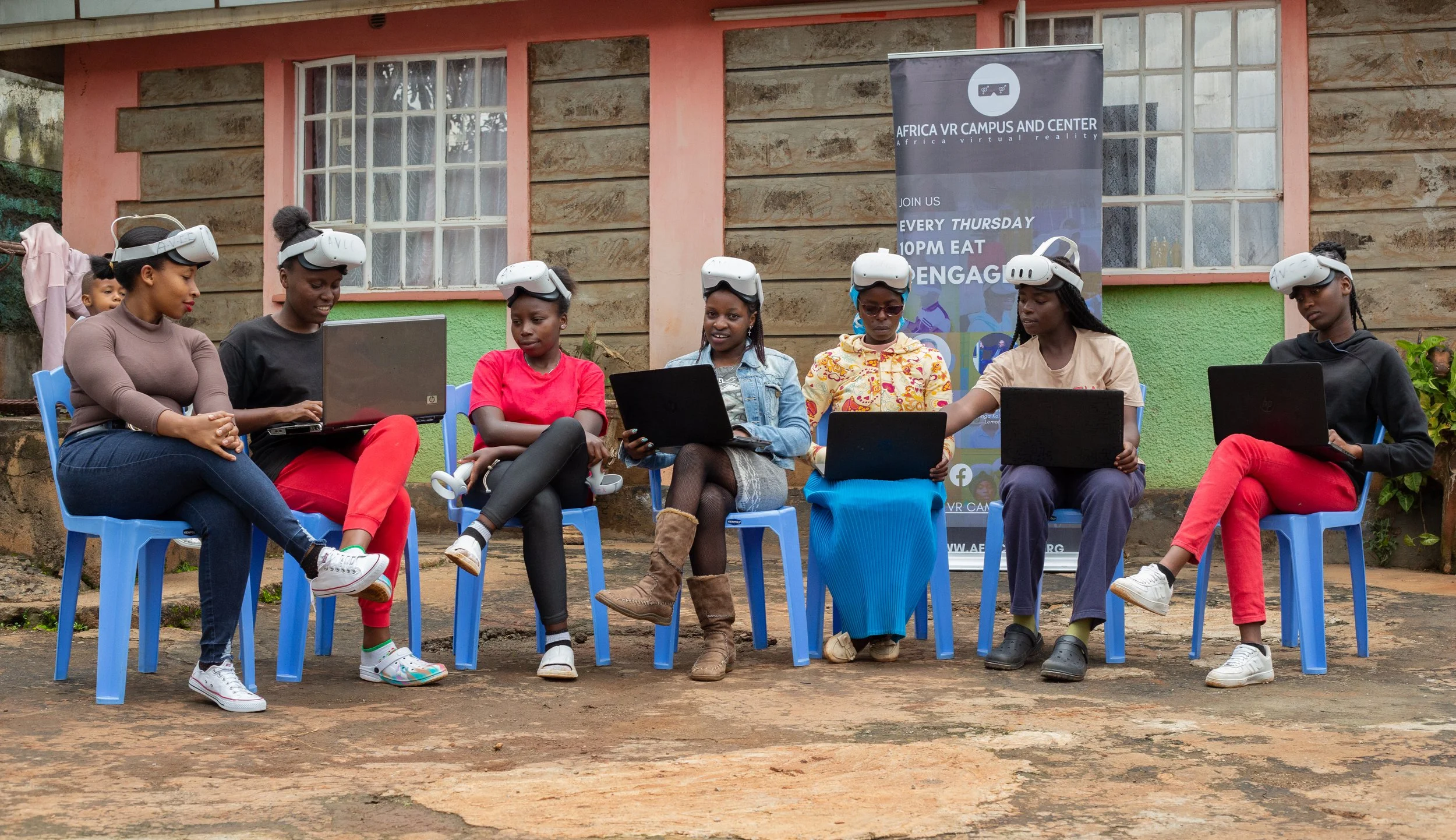
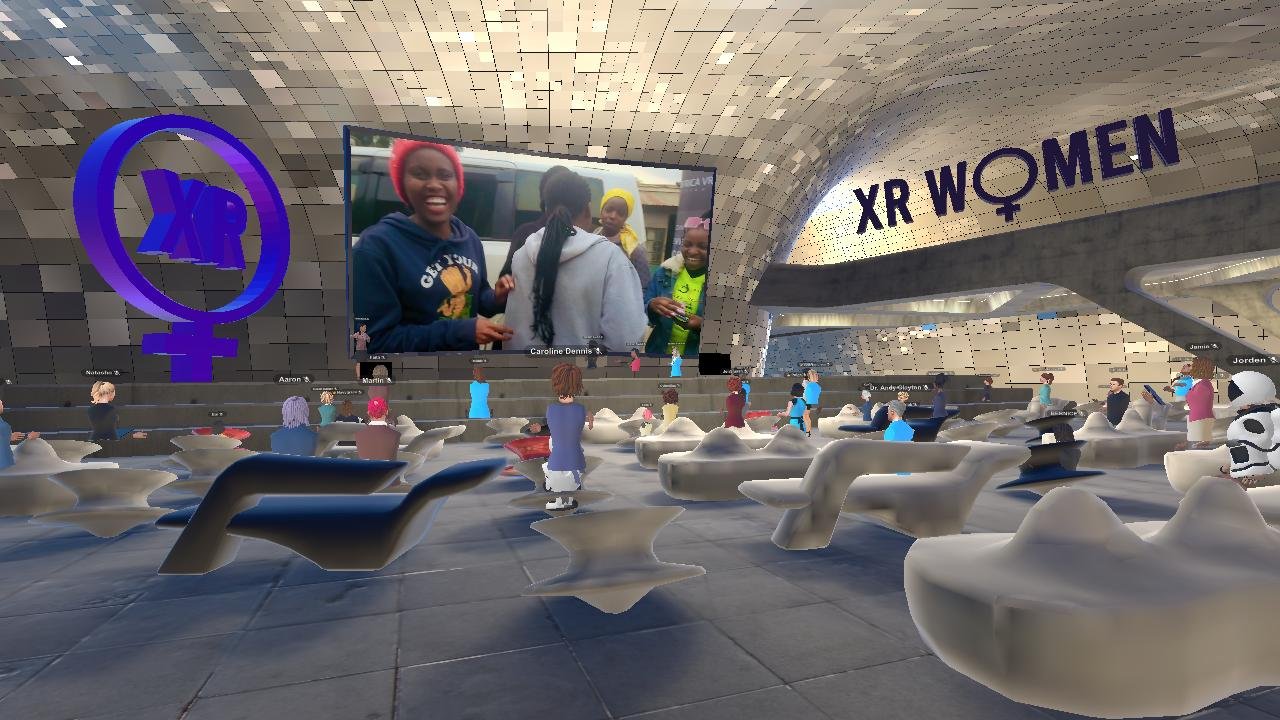
Then Diana Njeri. As Director of XR Girls Africa, she has been recognized for expanding access to XR tools and education for young women in the villages outside Nairobi. Her model refuses to stop at the headset. Alongside mentorship and training, it builds routes to real economic participation — young women creating and selling goods in a marketplace, running mushroom farms, and hosting immersive events for a global audience. These are rural Kenyan women who are not attending the metaverse. They are hosting it, and the world shows up.
Then the storytellers. In Zimbabwe, Chipo Mapondera's Futuristic Pagan renders Zezuru spirituality as a virtual fashion showroom inside a traditional hut; it showed at the National Gallery of Zimbabwe and won a 2024 Innovate UK award. In South Africa, sixth-generation Kalk Bay fisher Traci Kwaai worked with Lo-Def Film Factory on Fisherchild, a VR living museum holding 300 years of fishing heritage — an Award of Distinction at S+T+ARTS Prize Africa 2025. Meghna Singh turned the columns of the New York Stock Exchange into a memorial to enslaved people at Tribeca 2025. Natalie Paneng premiered Natalie's Trifecta in IDFA DocLab competition. In Harare, Siza Mukwedini runs Matamba Film Labs for Women.
Here is the part worth sitting with. S+T+ARTS Prize Africa 2025 drew 537 submissions from 33 countries. Yet across Venice Immersive 2023, 2024 and 2025, not one project carried an African country credit. The work exists. The pipeline into the field's most visible showcase does not.
That is not a talent problem. It is a distribution, funding and gatekeeping problem — and this community can move it. Watch these names. Cite them. Invite them.
Africa is not emerging in XR. It is already here.
P.S. Both Judith Okonkwo and Diana Njeri are XR Women. 💜💜💜